
How to Start Reselling on eBay UK for Beginners
Quick answer
Learning how to start reselling on eBay UK for beginners begins with the items you already own. Create a free eBay seller account UK buyers can trust, list a few good-condition items with clear photographs and honest descriptions, choose sensible postage, and post orders promptly. eBay UK is one of the largest marketplaces in the country, so a beginner can reach millions of buyers without building a website or holding stock. Start small, learn what sells, keep clear records, and only buy stock to resell once your first listings have taught you what buyers actually want.
Key takeaways
- Start reselling on eBay UK with items you already own in good condition.
- Choose a private or business eBay seller account UK rules suit — casual selling and regular reselling are treated differently.
- Clear photographs, honest condition notes and complete item details build trust and reduce returns.
- Check sold prices on eBay UK before you price a listing, and weigh and measure every parcel before you choose postage.
- Post orders promptly, answer buyer messages politely, and keep records of every sale from day one.
- Grow slowly: reputation first, stock second.
What is eBay reselling and how does eBay UK work for beginners?
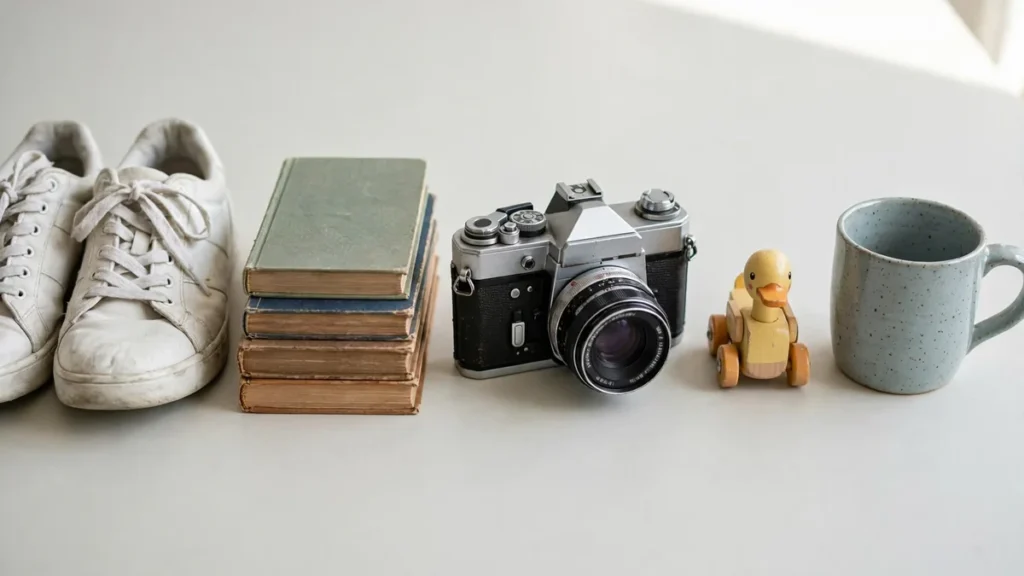
Reselling on eBay UK means buying or finding items and selling them on eBay.co.uk for more than you paid, or selling items you already own to free up space and earn money. For a beginner, the simplest version is clearing out your own home: clothes you no longer wear, books you have finished, a camera you have replaced, games your children have outgrown. That is reselling in its most basic form, and it is also the lowest-risk way to learn how the platform works, because you have spent nothing on stock and every sale teaches you something about photographs, descriptions, pricing and postage.
eBay UK works as a marketplace. You create a listing, buyers search for items or browse categories, and when someone buys, eBay handles the payment through its own managed payments system and pays the money into your linked UK bank account. You then post the item to the buyer. Unlike selling through your own website, you do not need to attract visitors yourself — buyers are already searching on eBay every day for the exact kinds of items beginners usually start with, from branded trainers to vintage cameras and collectable books.
The first decision every beginner faces is whether to register as a private seller or a business seller. A private eBay seller account UK setup suits people selling their own unwanted belongings now and again. A business seller account is the right choice when you buy items specifically to resell them, make items to sell, or sell regularly in volume. This distinction matters for eBay UK seller fees, for the returns policy you must offer, and for your tax position, so it is worth getting right before your first listing rather than changing it later. If you are buying stock to resell for profit, trading standards and HMRC expect you to register as a business seller and, in most cases, to register as self-employed. There is a £1,000 trading allowance for casual income, and from January 2024 eBay has been required to share seller data with HMRC when a seller passes set thresholds, so keeping records from the start is not optional housekeeping — it is part of doing this properly.
One of the biggest changes for beginners in recent years is that UK-based private sellers now pay no final value fee on most items sold on eBay UK. That change, which took effect in October 2024, means a casual seller can list and sell ordinary items without eBay taking a percentage of the sale price, although vehicles are excluded and other charges can still apply, such as fees for listings beyond the free monthly allowance, optional upgrades, and international sales. Business sellers still pay a final value fee that varies by category, plus a small fixed charge per order. Because fees change, always check the current eBay UK seller fees page before you set your prices, and never rely on a figure you read months ago. The fees section of this guide, and the verified eBay help pages linked in the Product guides section below, show you exactly where to check.
A beginner also needs to understand eBay’s two main listing formats. A fixed-price listing, often called Buy It Now, lets you set the price and wait for a buyer who is happy to pay it. An auction lets buyers bid over several days, which suits rare, collectable or hard-to-price items where demand is uncertain. Most beginners start with fixed-price listings because the outcome is predictable: you know what you will receive, you know what postage will cost, and you can work out whether the sale is worth your time before you list. Auctions can be exciting, but they can also end lower than you hoped, so save them for items where competition between buyers is likely.
eBay also gives every seller a set of free tools that beginners often overlook. Seller Hub is the free dashboard where you manage listings, orders, messages and performance in one place. Inside Seller Hub you can see which listings get views and watchers, which ones sell, and where buyers are coming from. eBay’s sold items search is just as important: by filtering a search to completed and sold listings, you can see what the same or similar items actually sold for in the last few weeks, rather than what other sellers are merely asking. That single habit — checking sold prices before pricing — separates beginners who sell steadily from beginners who list items that sit unsold for months.
Finally, a word about trust. On eBay, your feedback score and your seller performance are public. Buyers check them before they buy, especially from a new seller with no history. That is why your first ten sales matter so much: clear photographs, honest descriptions, fair prices, prompt posting and polite messages are not just good manners, they are the foundation of the reputation that will let you charge fair prices and win buyers later. A beginner who treats the first month as a learning period, rather than a race to make money, almost always does better in the long run.
Step by step: your first eBay listings
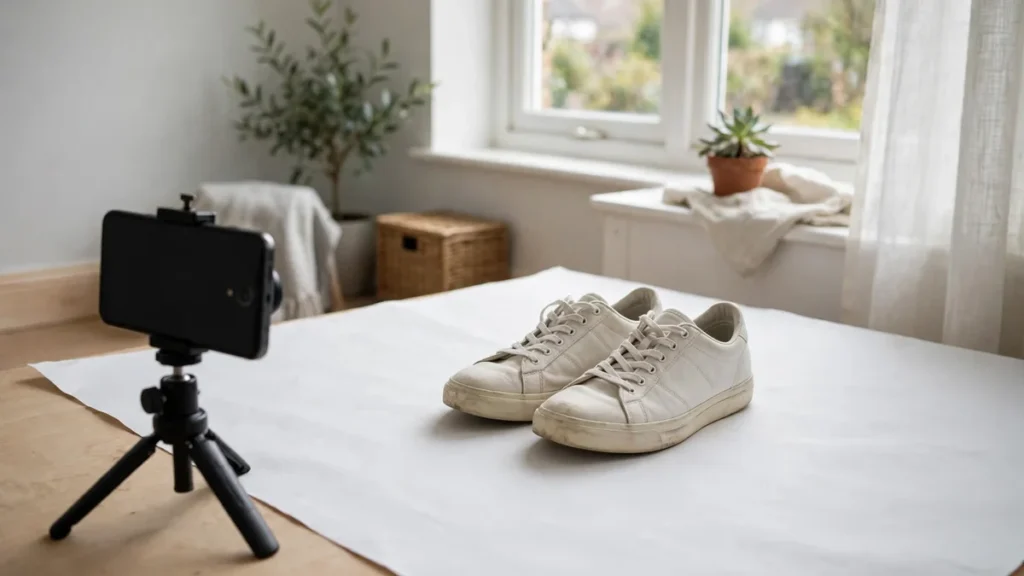
Follow these six steps in order for your first listings. Each one builds on the last, and skipping one usually creates a problem later — a blurry photograph leads to questions, a missing measurement leads to a return, an unweighed parcel leads to postage that costs more than you charged.
Step 1: Choose items you already own
Start with items you already own in good condition. Walk around your home with a fresh eye: the coat you have not worn in two winters, the bookshelf of paperbacks you will not reread, the kitchen gadgets still in their boxes, the children’s outgrown clothes in good condition, the old games console with its controllers and cables. Choose items that are clean, complete and working, and set aside anything damaged, incomplete or untested until you know how to describe its faults honestly. Ten good items teach you more than fifty poor ones, and they sell faster too.
Before you list anything, check whether it is allowed on eBay. Most ordinary household items are fine, but eBay prohibits or restricts some categories, including counterfeit goods, recalled products, certain medicines, weapons and replica firearms. Selling a fake branded item, even unknowingly, can lead to the listing being removed and your account being restricted, so if you are unsure about an item’s authenticity, do not list it. Genuine branded goods are welcome; anything described as a replica, copy or inspired-by version of a brand is not.
Step 2: Photograph every item clearly
Photographs sell the item before a buyer reads a single word, so give this step real time. Use natural daylight near a window, a plain light background such as a white sheet or a clean table, and your phone camera — modern phones are more than good enough for eBay listings. Take photographs from several angles: front, back, both sides, the base or sole, any labels, the model number on electronics, and every scratch, mark or sign of wear. For clothing, photograph the brand label, the size label and the care label. For electronics, photograph the ports, the screen switched on, and any accessories included.
Do not use stock photographs or manufacturer images for used items. eBay’s rules expect your own photographs, and buyers trust a listing far more when they can see the actual item they will receive, including its flaws. A photograph that hides a scuff does not prevent a complaint — it guarantees one. Aim for eight to twelve photographs per listing where the item justifies it; eBay allows up to twenty-four, and more photographs mean fewer questions from buyers and fewer returns. Wipe the lens, keep the item in focus, and check each photograph on a larger screen before you upload it. If a photograph is dark, blurry or cluttered, retake it.
Step 3: Write an honest, detailed description
A good eBay listing title uses the words buyers actually search for. eBay allows eighty characters in a title, so use them well: brand, exact product name and model, size, colour, key features and condition. A title such as a brand name followed by the model, the UK size and the colour will be found far more often than a vague title that says little more than the item type. Avoid shouting capitals, strings of punctuation and words such as “look” or “wow” — they waste characters and make a listing look unprofessional.
Then fill in every item specific eBay offers for the category: brand, size, colour, material, model number and condition. These structured fields are what buyers use to filter search results, so a listing with empty specifics may never appear when a buyer filters by size or brand. In the description itself, write short factual paragraphs: what the item is, its condition in plain words, its measurements in centimetres, what is included in the sale, and your dispatch and returns approach. If there is a flaw, describe it precisely and point buyers to the photograph that shows it. Honest condition notes — “used, good condition, small scuff on the lower corner, shown in photograph six” — prevent the most common eBay dispute, which is an item arriving “not as described”.
Step 4: Price fairly using sold prices
Pricing is where most beginners either lose money or fail to sell at all, and the fix is simple: research before you price. Search for your exact item on eBay, filter the results to sold items, and look at what identical or very similar items actually sold for over the last month or two. Note the range, not just the average, because condition, completeness and photograph quality all move the final price. An item with its original box and all accessories usually sells for more than the same item on its own, and an item with clear photographs usually sells for more than one with a single dark photograph.
Then work out your costs before you set the price. eBay UK seller fees depend on whether you are a private or business seller, and the current rates are on eBay’s own help pages — linked in the Product guides section below. Add your postage and packaging costs, which you should know exactly because you have weighed and measured the parcel, and allow for the small fixed charge eBay applies per order. Only then decide your price. A price that looks attractive but leaves you with nothing after fees and postage is not a bargain for anyone. If you are unsure, a fixed-price listing slightly below the recent sold range usually sells steadily, while an auction is better reserved for rare or collectable items where several buyers may compete.
Step 5: Choose postage, pack well and post promptly
eBay UK postage is the step beginners most often underestimate, and it is the one most likely to eat into your earnings. Weigh and measure every item, packed and ready to post, before you list it — kitchen scales work well for light items, and a tape measure gives you the parcel dimensions. Then choose a delivery service that fits the size and weight, and decide whether the buyer pays postage or you offer it included in the price. For private sellers, eBay’s Simple Delivery is now the standard route for eligible items: when your item sells, you receive a prepaid delivery label and a QR code, and you drop the parcel at a nearby collection point or arrange a collection. It removes the need to buy your own label, and there are no transaction fees on the postage itself.
Pack every item as though it will be handled roughly, because it will be. Use a sturdy box with space filled so the item cannot move, wrap fragile items in bubble wrap on all sides, mark parcels containing breakables as fragile, and seal every seam with strong tape. Include a return address on the parcel in case of delivery problems. Post within the handling time you promised in your listing — one working day is a good standard for a beginner — and upload or confirm tracking where the service provides it. Buyers can see when a parcel is on its way, and prompt dispatch is one of the fastest ways to earn positive feedback.
Step 6: Build your reputation one sale at a time
Your first sales are the foundation of everything that follows. Answer buyer messages quickly and politely, even when the question is already answered in the listing. If a problem arises — a parcel delayed, an item with a fault you missed — deal with it promptly and fairly, because how you handle a problem shapes your feedback more than the problem itself. Leave feedback for your buyers, and buyers who are happy will usually return the favour.
Watch your Seller Hub performance page as you go. It shows your dispatch speed, your defect rate and your feedback, and it warns you early if something needs attention. New sellers often have selling limits that rise as eBay sees successful sales, so steady, honest trading is also the way to grow the number of items you can list. Do not buy stock to resell until you have completed your first sales and learned which kinds of items sell well for you, which photographs work, and which prices buyers accept. Reputation first, stock second — that order keeps the risk low and the learning fast.
What sells well for beginners

Knowing what to sell on eBay UK is half the skill of reselling, and the honest answer is that almost anything in good condition can sell — but some categories are far more forgiving for a beginner. Clothing and shoes lead the list, especially branded items in popular UK sizes, because buyers search for specific brands and sizes every day and a clean, well-photographed garment in good condition is easy to judge from photographs. Children’s clothing sold in bundles of the same size is another reliable starting point, as parents often buy several items at once. Trainers in good condition, with clear photographs of the soles and labels, are consistently popular.
Electronics are a strong category too, from old phones and tablets to cameras, games consoles and accessories. Even broken electronics can sell for parts, provided you describe the fault exactly and choose the correct condition — “for parts or not working” — rather than suggesting the item works. Games, consoles and accessories hold their value well, and vintage or discontinued items often attract collectors who are happy to pay more for a complete set with its original box.
Books, vinyl records, comics and trading cards suit beginners who enjoy research, because condition and edition matter and sold-price research tells you quickly whether an item is worth listing. Home and garden items — small kitchen appliances, lamps, storage and DIY tools — sell steadily, and collectables such as stamps, coins, football programmes and memorabilia reward patience. The pattern is the same in every category: genuine items, honestly described, with clear photographs and a fair price based on sold prices, sell; vague listings of damaged or incomplete items do not.
Where you find items matters as much as what you list. Charity shops, car boot sales, clearance shelves in high street shops and your own home are the usual starting points, and each has its own rhythm. At car boot sales, arriving early gives you the best choice; in charity shops, visiting often matters more than visiting once. Whatever the source, check eBay sold prices before you buy anything to resell — the item is only a bargain if it sells for more than you paid plus fees and postage. That single check, done on your phone before you hand over money, is the most valuable habit a beginner reseller can build.
Common mistakes

Most beginner mistakes on eBay UK are avoidable, and they usually come from rushing a listing rather than from a lack of knowledge. The most common is using old, dark or cluttered photographs that hide wear and flaws. A buyer who cannot see the item clearly will either skip the listing or buy it and complain — neither outcome helps you. Retake the photographs in daylight on a plain background; it takes five minutes and it changes everything.
The second common mistake is describing condition as excellent when the item has visible wear. eBay’s condition grades exist for a reason, and buyers choose them when they filter search results. An honest “used, good condition” with a clear note about the flaw sells more reliably than an “excellent” that arrives with a scuff the buyer was not told about. The same honesty applies to measurements: a garment listed with the wrong size, or an item listed without measurements at all, is one of the fastest routes to a return.
Pricing mistakes come next. Pricing a second-hand item as though it were new, without checking sold prices, leaves listings sitting unsold for weeks. Pricing too low, without working out fees and postage, leaves you out of pocket on every sale. Both are fixed by the same habit: check sold prices, weigh the parcel, and work out your costs before you choose the price.
Other mistakes are easy to overlook but costly. Posting late, or not answering buyer messages, damages your feedback and your seller performance. Buying stock to resell before you have learned what actually sells ties up money in items that may not move. Listing items you have not checked against eBay’s prohibited and restricted list risks the listing being removed and your account being restricted. And forgetting to keep records — what you paid, what it sold for, what fees and postage cost — makes tax time far harder than it needs to be. A simple spreadsheet, updated after every sale, is enough at the start.
How to choose: a simple checklist
- Start with items you already own in good condition — no stock purchases until your first sales teach you what sells.
- Pick a private or business eBay seller account UK rules suit, and keep records from the very first sale.
- Photograph in daylight on a plain background: front, back, sides, labels and every flaw.
- Write honest descriptions with brand, UK size, colour, material, measurements and condition.
- Price from sold prices on eBay UK, after deducting eBay UK seller fees and postage.
- Weigh and measure the packed parcel before you list, and choose eBay UK postage that fits.
- Post promptly, answer messages politely, and build your feedback before you scale up.
eBay reselling guides: our picks
1. Best for: a complete step-by-step beginner walkthrough
Frooition: How to Sell on eBay UK
What I like:
- Covers the whole journey in one guide — private versus business seller, account setup, what to sell, writing listings, photographs, pricing, fees and postage — and it was updated in October 2026 for the current fee changes.
What I don’t like:
- It is a long guide, so a beginner in a hurry may want to read it in sections rather than in one sitting.
Key specs: Complete beginner guide updated October 2026; covers private versus business seller accounts, Seller Hub, sold-price research, listing titles and item specifics; notes UK private sellers pay no final value fee on most items and get 300 free listings a month.
2. Best for: understanding exactly how and when eBay charges you
eBay UK Help: How fees and selling costs are charged
What I like:
- It is eBay’s own official page, so the fee information is authoritative, and it explains clearly when each type of fee is charged and where it is taken from.
What I don’t like:
- It is a help page rather than a worked example, so a beginner still needs to do their own sums for each listing.
Key specs: Official eBay UK help page; fees are deducted from sale proceeds; listing fees charged at listing time, transaction fees at the time of sale; fee breakdown visible in the Payments tab in Seller Hub or My eBay.
3. Best for: posting your first orders without buying your own labels
eBay UK Help: Simple Delivery
What I like:
- It explains eBay’s standard delivery route for private sellers in plain terms — a prepaid label and QR code arrive after the sale, and there are no transaction fees on the postage itself.
What I don’t like:
- It only covers eligible items, so a beginner still needs to check whether a listing qualifies before relying on it.
Key specs: Official eBay UK help page; Simple Delivery is the only delivery method for eligible private-seller listings; prepaid label and QR code after sale; Evri parcel shop drop-off up to 15kg; eligible items priced £750 or less.
4. Best for: choosing the right size and service for small parcels
Royal Mail: How to send small parcels
What I like:
- It gives the exact size and weight limits for letters and small parcels, plus clear packing advice and drop-off options, all on one official page.
What I don’t like:
- It focuses on Royal Mail services only, so a beginner comparing couriers will need a second source for that comparison.
Key specs: Official Royal Mail guide; small parcel maximum 2kg and 45cm x 35cm x 16cm; letter maximum 750g and 35.3cm x 25cm x 2.5cm; drop-off via Parcelshops, Parcel Lockers and Parcel Postboxes; home collection available for a small fee.
5. Best for: delivery options and drop-off points for eBay parcels
Evri: How to sell on eBay
What I like:
- It walks through account setup, listing steps and ten selling tips, then explains delivery choices and how to switch a listing to Evri, with the size of its drop-off network stated clearly.
What I don’t like:
- The page’s own photographs depict women, so a neutral generated image is used for this card instead of the page’s own image.
Key specs: Evri eBay selling guide, content accurate as of August 2026; over 12,500 ParcelShop and Locker drop-off locations; 93% of the UK population lives within 2 miles of a ParcelShop or Locker; labels can be printed in store.
Related articles
- How to Start TikTok Shop UK as a Beginner
- How to Resell on Vinted UK for Beginners
- Best Small Products to Resell UK with Low Startup Cost
Frequently asked questions
How do I start reselling on eBay UK as a beginner?
Create an eBay seller account, start with items you already own in good condition, photograph them clearly, describe them honestly, price them from sold prices, and post orders promptly.
Do I need a business account to sell on eBay UK?
Not for selling your own unwanted items now and again, which suits a private account. If you buy items specifically to resell for profit or sell regularly in volume, register as a business seller.
What are the eBay UK seller fees for beginners?
UK-based private sellers currently pay no final value fee on most items, though other charges can apply; business sellers pay a final value fee that varies by category plus a small per-order charge. Always check eBay’s current fees page before pricing.
What should I sell first on eBay UK?
Items you already own in good condition: branded clothing in popular UK sizes, electronics, books, games, vinyl records and collectables. Check sold prices first to confirm demand.
How does eBay UK postage work for a new seller?
Weigh and measure the packed parcel before listing. For eligible private-seller items, eBay Simple Delivery provides a prepaid label and QR code after the sale, and you drop the parcel at a collection point or arrange a collection.
How do I build a good reputation as a new eBay UK seller?
Clear photographs, honest descriptions, fair prices, prompt posting, polite messages and careful record-keeping. Your first sales and feedback set the foundation for growth.